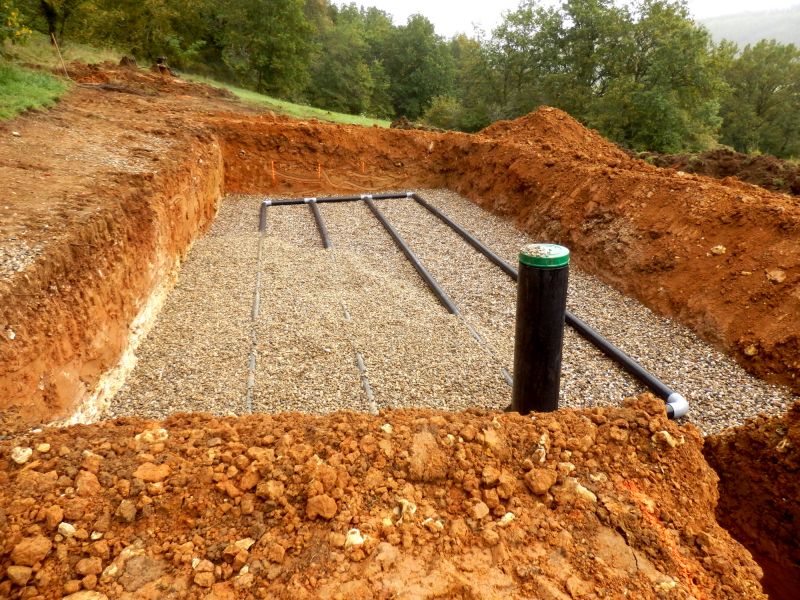
Drain Field Installation in Denver, CO
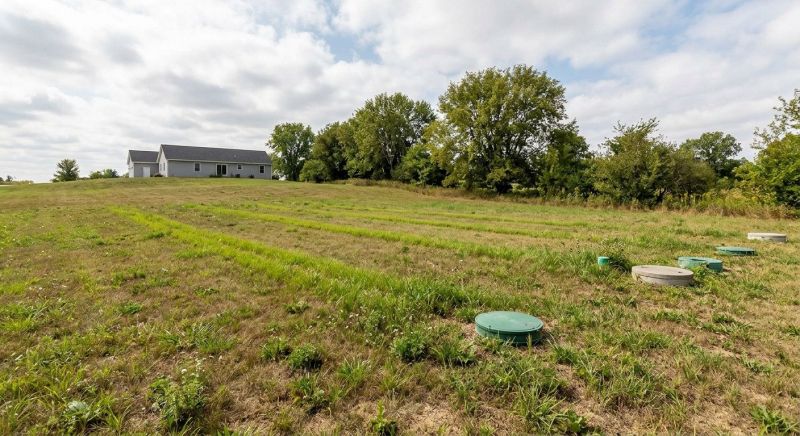
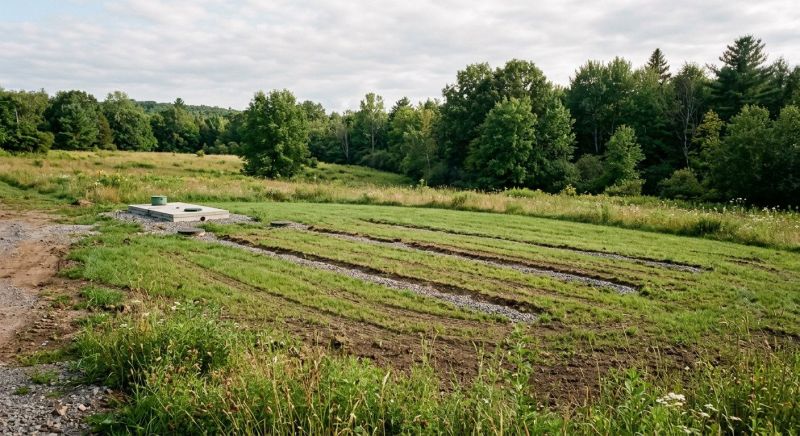
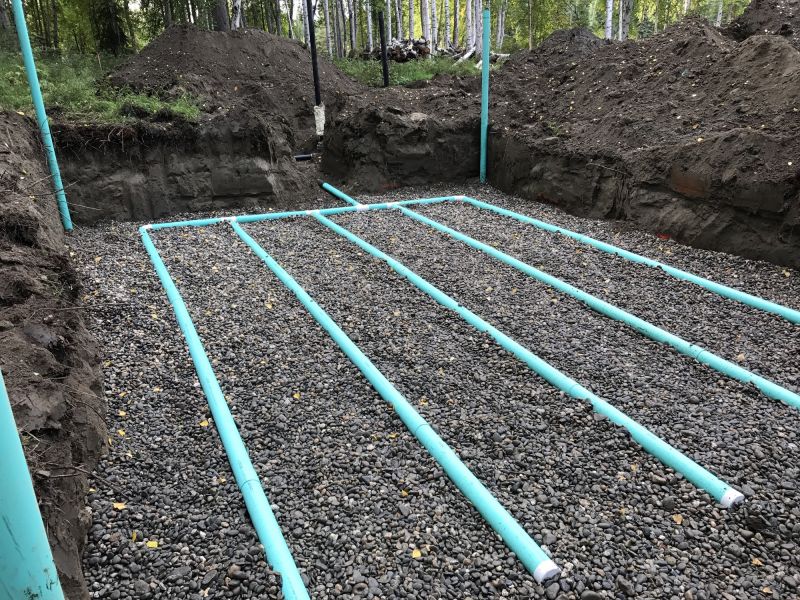
Drain field installation involves setting up the underground system that disperses wastewater from a septic tank into the soil. This service typically covers projects such as installing new drain fields for homes without existing systems, replacing or upgrading outdated or damaged drain fields, and expanding existing systems to accommodate property additions. Property owners often want to understand the size and layout of the drain field needed based on their property’s size and soil conditions, as well as the overall process involved in installation and any necessary permits or site preparations.
Before requesting drain field installation, homeowners should consider the location of the system in relation to wells, trees, and property lines to ensure proper placement and avoid future issues. Understanding soil type and drainage characteristics is also important, as these factors influence system design and longevity. Clarifying the scope of work, including site excavation, pipe placement, and final grading, can help ensure the project meets property needs and complies with local regulations.
Many property owners in Denver, CO look into Drain Field Installation for repairs, replacements, upgrades, and appearance-related improvements.
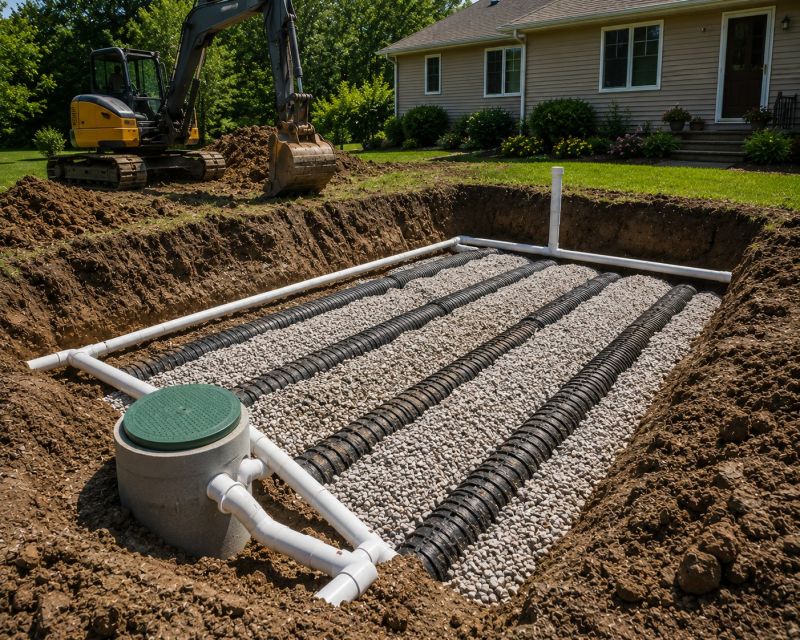
Proper Drain Field Design
Designing an effective drain field ensures proper wastewater dispersal for residential and commercial properties in denver.
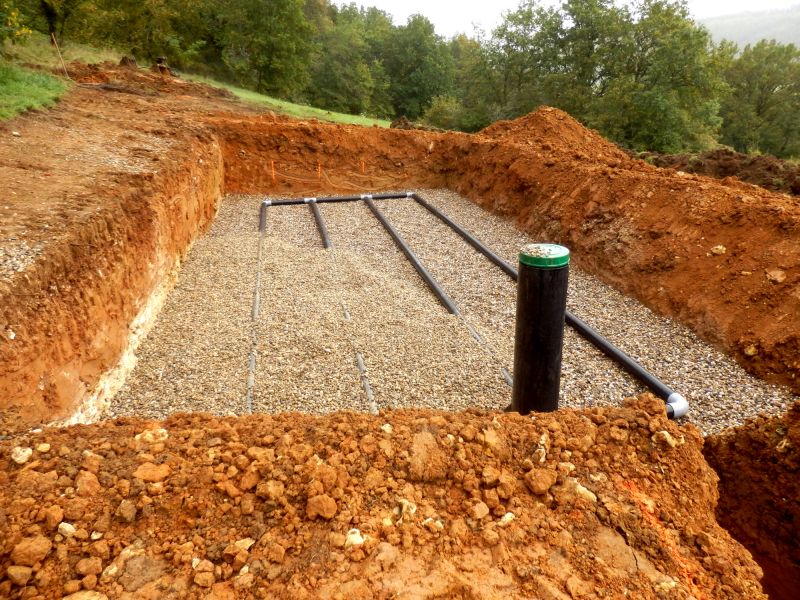
Installation And Maintenance
Professional installation and regular maintenance help extend the lifespan and performance of drain fields.
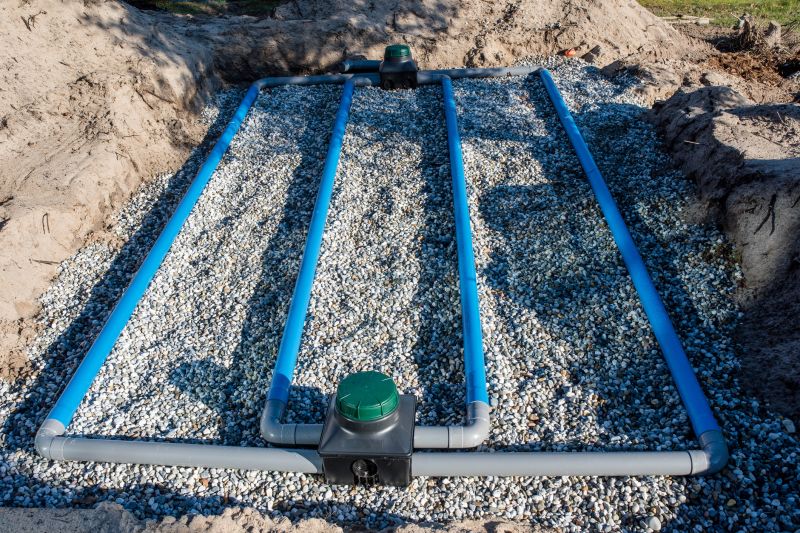
Troubleshooting Drain Field Issues
Identifying signs of failure early can prevent costly repairs and ensure the health of your septic system.
Drain Field Installation in Denver, CO

Drain field installation involves setting up the underground system that disperses wastewater from a septic tank into the soil. This service typically covers projects such as installing new drain fields for homes without existing systems, replacing or upgrading outdated or damaged drain fields, and expanding existing systems to accommodate property additions. Property owners often want to understand the size and layout of the drain field needed based on their property’s size and soil conditions, as well as the overall process involved in installation and any necessary permits or site preparations.
Before requesting drain field installation, homeowners should consider the location of the system in relation to wells, trees, and property lines to ensure proper placement and avoid future issues. Understanding soil type and drainage characteristics is also important, as these factors influence system design and longevity. Clarifying the scope of work, including site excavation, pipe placement, and final grading, can help ensure the project meets property needs and complies with local regulations.
Many property owners in Denver, CO look into Drain Field Installation for repairs, replacements, upgrades, and appearance-related improvements.
Common Drain Field Installation Jobs
Drain field installation involves setting up a system to safely disperse wastewater underground.
Septic drain fields are designed to filter and distribute effluent from septic tanks effectively.
Leach field construction ensures proper drainage and prevents sewage backups on the property.
Soil testing and site assessment help determine the best location and design for the drain field.
Drain field replacement is necessary when existing systems fail or become inefficient over time.
Custom drain field solutions are tailored to fit the specific size and layout of residential properties.
Drain Field Installation Questions
What is drain field installation? Drain field installation involves setting up a system to safely disperse wastewater from a septic tank into the ground, ensuring proper treatment and absorption.
What types of properties need a drain field? Properties with a septic system or those not connected to municipal sewer lines typically require a drain field to manage wastewater.
How does soil type affect drain field installation? Soil permeability and composition influence the design and placement of the drain field to ensure effective wastewater absorption.
What are common signs a drain field may need replacement? Signs include persistent odors, pooling water, or lush, green patches over the drain field area, indicating potential issues.
Request Drain Field Installation in Denver, CO
Use the quote form on this page to share the basics of your project and request more information for the type of work you need.